Voter Participation Rates and Their Effect on Online Gambling Platforms
Henry Hayes ·
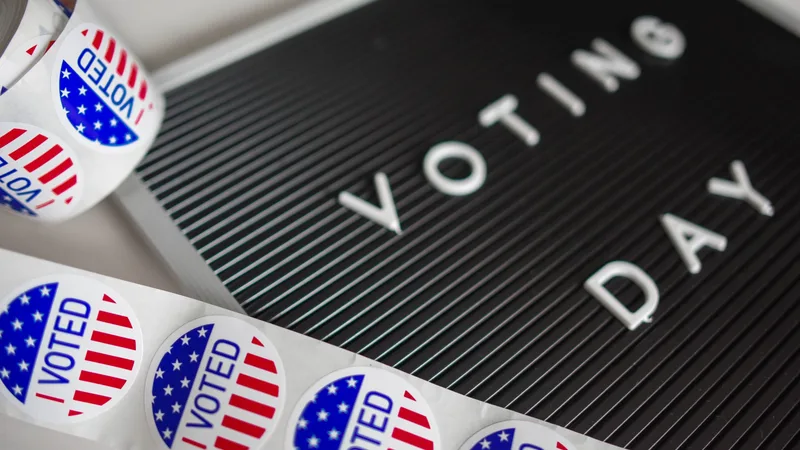
Voter participation rates are often discussed in the context of civic responsibility, with many believing that these rates are a direct reflection of a healthy democracy. The act of voting is a…
Understanding Voter Participation Rates
Voter participation rates offer a glimpse into the democratic process, reflecting the engagement level of citizens in shaping their governance. Over the decades, these rates have varied significantly, influenced by numerous social, political, and economic factors. For instance, the spike in turnout during pivotal elections often correlates with major national events or shifts in public sentiment. Understanding these historical trends helps appreciate the evolving nature of civic engagement and its implications for society
Historical Trends in Voting
Looking back through the years, the historical trends in voting reveal a complex narrative shaped by various societal changes. In the mid-20th century, significant civil rights movements prompted a push for greater voter participation, while recent years have shown fluctuations influenced by factors like voter ID laws and mail-in voting accessibility. Notably, the 2020 election saw a surge in turnout, with many attributing this to heightened political awareness and mobilization efforts. Such trends reflect the current political climate and set the stage for future electoral engagement.
Factors Influencing Participation
Several key elements motivate citizens to cast their votes, from personal beliefs to community initiatives. Socioeconomic status, education levels, and local outreach programs play vital roles in shaping voter turnout. When individuals feel their vote matters, they're more likely to engage in the electoral process. Additionally, the rise of social media has transformed how campaigns reach potential voters, offering platforms for dialogue and mobilization that were previously unavailable.
The Role of Civic Engagement in Society
Civic engagement serves as the bedrock of a healthy democracy, fostering connections among community members and promoting active participation in societal issues. When citizens engage with their communities, they strengthen social ties and contribute to a more informed electorate. This engagement can manifest in various forms, from attending town hall meetings to volunteering for local charities. The vibrancy of civic life directly influences how effectively a community can advocate for its interests.
Community Involvement and Its Impact
Community involvement plays a crucial role in shaping the social fabric of neighborhoods. When residents actively participate in local events or initiatives, they create a sense of belonging and shared purpose. This collective action can lead to positive changes, such as improved public services or enhanced local amenities. The sense of community fostered through civic engagement can also translate into increased interest in local activities, including entertainment options like web sportsbooks, as individuals seek ways to connect and enjoy leisure time together.
Civic Duty vs. Apathy
The balance between civic duty and apathy is delicate, often influenced by societal attitudes toward participation. While many view voting and civic engagement as essential responsibilities, others may feel disillusioned or disconnected from the political process. This apathy can stem from various factors, including disenchantment with political leaders or a belief that individual votes hold little power. Addressing these feelings is crucial, as fostering a culture of active participation can lead to more vibrant communities and increased interest in local entertainment options, including casinos and iGaming platforms.
Linking Civic Engagement to Online Behavior
As we observe the trends in voter participation, it becomes clear that civic engagement is not just about the ballot box. Digital platforms have transformed how citizens participate in democracy, allowing for a more dynamic interaction with political processes. Through social media, online petitions, and dedicated civic engagement websites, individuals can mobilize efforts to influence change in their communities. This shift has empowered voters and created new patterns in online behavior that reflect a more engaged citizenry.
Digital Platforms and Political Activism
Online tools have revolutionized political activism, enabling individuals to connect and organize in ways that were previously unimaginable. From social media campaigns that raise awareness about critical issues to crowdfunding platforms that support political candidates, the internet serves as a powerful vehicle for civic engagement. These digital platforms facilitate communication and collaboration, allowing voices from all walks of life to contribute to the political discourse. As people use these tools, we see a growing expectation for online spaces to support civic initiatives seamlessly.
Behavioral Patterns in Online Spaces
Understanding how civic actions translate to online habits provides insights into broader implications for society. When individuals engage in political activities online, it often leads to increased participation in various forms of digital engagement, including online shopping, social networking, and entertainment. The emphasis on civic responsibility can shift consumer behavior, impacting how individuals approach online platforms. As civic engagement rises, these patterns may extend into other areas, including the world of online gambling, where voter sentiment can shape user engagement.
The Emergence of Web Sportsbooks
The rise of web sportsbooks marks a significant evolution in the gambling industry, particularly as civic engagement influences legislative changes. As more states consider legalizing online sports betting, the landscape is rapidly changing to accommodate growing demand. This shift reflects changing attitudes toward gambling and the impact of informed voters who advocate for regulations that align with their values. The intersection of civic engagement and online gambling is becoming more pronounced, as citizens actively participate in shaping the future of betting laws.
Growth of Online Gambling Platforms
In recent years, the expansion of web sportsbooks has been remarkable, driven by advancements in technology and changing public perceptions of gambling. With the convenience of placing bets from home, more individuals are exploring these platforms. This growth is fueled by a younger demographic that is comfortable with online transactions and seeks engaging entertainment options. As these platforms continue to evolve, they offer unique features that enhance user experience, making sports betting more appealing to a broader audience.
Regulatory Framework and Civic Responsibility
The regulatory framework surrounding online gambling is influenced significantly by voter engagement, as citizens express their opinions on legislation. Active participation in elections helps shape the legal landscape, ensuring that regulations reflect community desires. As voters become more informed about the implications of online gambling, they can advocate for responsible practices that prioritize consumer protection. This civic responsibility fosters a healthier gambling environment, where both entertainment and accountability coexist, paving the way for a more sustainable future in the industry.
Connecting Voting and Online Gambling Trends
The intertwining of civic engagement and online gambling is an area of exploration. As we examine voting patterns, it becomes clear that these habits may influence how individuals approach leisure activities, including gambling. Understanding these connections can provide insights not only into voter behavior but also into the preferences of online bettors. Civic participation is increasingly linked to various aspects of life, and the implications for the gambling sector are notable.
Voting Patterns and Gambling Habits
Research suggests a correlation between civic participation and gambling choices among individuals. For instance, voters who are actively engaged in their communities may demonstrate a preference for online platforms that promote responsible gaming. This trend highlights a growing awareness among bettors about the importance of ethical practices in gambling. Additionally, the types of games that appeal to active voters could differ from those who are less engaged, indicating potential market segmentation that online sportsbooks could capitalize on.
Impact of Major Elections on Gambling Activity
Significant political events often lead to notable changes in online betting behaviors. Major elections can stir excitement and uncertainty, prompting bettors to engage with platforms that offer odds on election outcomes and related events. For example, during a presidential election year, many online sportsbooks see an uptick in activity as users place bets on everything from state results to voter turnout. This surge illustrates how the political climate can directly influence the gambling landscape, drawing in a diverse crowd of participants motivated by a mix of civic interest and the thrill of betting.
Future Implications for Civic Engagement and Gambling
As we look ahead, the relationship between civic engagement and gambling is likely to evolve, influenced by changing legislation and societal attitudes. The landscape of online gambling may see significant shifts as policymakers respond to increased voter participation and the demand for more transparent gambling practices. These potential changes could reshape how platforms operate, ensuring they align with the values of a more engaged electorate. Understanding this dynamic will be crucial for both lawmakers and gambling operators in the coming years.
Potential Changes in Legislation
Speculating on future regulatory shifts based on civic trends reveals an intriguing picture for the online gambling industry. As voters become more engaged, they may push for legislation that prioritizes consumer protection and responsible gambling measures. This could lead to stricter regulations, ensuring that online sportsbooks operate in a manner that reflects the values and concerns of the electorate. Such changes might enhance the integrity of the gambling sector and foster a safer environment for bettors who are increasingly aware of their social responsibilities.
Encouraging Responsible Gambling Through Civic Actions
Civic engagement has the potential to promote responsible gambling practices, creating a more informed and conscientious betting community. Initiatives that encourage voter participation can also extend to educational campaigns about the risks associated with gambling. By fostering a culture of awareness, individuals may be more inclined to gamble responsibly and seek help when needed. This holistic approach benefits players and enhances the reputation of the online gambling industry, aligning it more closely with the values of a socially responsible society.